

Kitchen Cabinets Near Me: A Better Way to Buy

A search for kitchen cabinets near me usually starts when your current kitchen has become hard to live with. Doors no longer close properly, storage is limited, the layout wastes valuable space, or the finishes simply do not reflect your home. The next decision matters: choosing a cabinet provider that can help you make sound choices before expensive materials are ordered.
For Phoenix-area homeowners, the strongest cabinet purchase is rarely just a box of cabinets picked from a shelf. It is a measured plan, a clear view of the finished kitchen, the right cabinet construction for the budget, and an experienced team to bring the design into the room correctly.
What “Kitchen Cabinets Near Me” Should Really Mean
Local should mean more than a nearby warehouse or a retailer with a Phoenix-area address. Your cabinet partner should understand the details that determine whether a remodel goes smoothly: how to measure an uneven wall, where plumbing and electrical connections affect a layout, how a large island changes traffic flow, and how cabinet doors will function once appliances are in place.
A local showroom also gives you the chance to see door styles, colors, finishes, and construction details in person. A screen can help narrow choices, but it cannot fully show the warmth of a wood tone, the sheen of a painted finish, or the difference between a standard drawer and a well-built soft-close drawer. Cabinet selection is a visual and practical decision, so seeing real samples helps prevent costly second guesses.
The value of working locally is especially clear when questions come up. If a wall measurement changes after demolition or a countertop choice affects cabinet dimensions, you want direct access to the people coordinating the project. That accountability matters more than a low advertised cabinet price that leaves design, delivery, and installation for you to solve separately.
Start With the Space, Not the Cabinet Color
White shaker cabinets may be a popular starting point, but the layout should come first. Before choosing a door profile or hardware finish, take an honest look at how your kitchen works now and where it falls short.
Think about the daily friction points. Is there enough landing space beside the range? Do two people compete for the same prep area? Are pots stored too far from the cooktop? Does the refrigerator interrupt the work path? A good cabinet layout solves these issues through better cabinet sizing and placement, not just by adding more boxes.
Professional on-site measurements are worth prioritizing. Walls are not always square, floors can slope, and soffits, windows, plumbing lines, and appliance specifications all affect the final plan. A cabinet design based only on homeowner measurements can look right on paper and still create installation problems. Measuring the actual space before placing an order protects the budget and the schedule.
Use 3D Design to Make Decisions Earlier
A 3D kitchen layout turns measurements into something you can evaluate before construction begins. You can see how an island relates to surrounding walkways, whether upper cabinets crowd a window, and how color selections work together across cabinets, countertops, backsplash, and flooring.
This is also the right time to make practical decisions that are easy to overlook. Consider drawer bases instead of lower cabinets with deep shelves, a dedicated trash pullout near the prep zone, a pantry cabinet for bulk storage, or narrow pullouts that make use of otherwise wasted space. These details can make a modest-sized kitchen feel far more organized.
A rendering is not a substitute for experienced planning, but it is an excellent checkpoint. It gives you a chance to ask, “Will this work for us?” before cabinetry is delivered.
How to Compare Kitchen Cabinets Near Me
When comparing cabinet providers, look beyond the initial quote. Two estimates may appear similar while including very different levels of service, cabinet quality, and installation responsibility.
Ask what is included in the design process. Some sellers provide basic cabinet ordering but leave layout verification to the homeowner or contractor. Others help measure the room, build a complete layout, review cabinet options, and coordinate the project through installation. If you are remodeling for the first time, full support can save substantial time and prevent avoidable mistakes.
Cabinet construction deserves a closer look as well. Ask about the materials used for cabinet boxes, drawer construction, hinges, slides, and finish quality. You do not need the most expensive option for every kitchen, but high-use areas deserve durable components. Drawer slides, door hinges, and the structural strength of bases carrying stone countertops are not the places to rely on assumptions.
Delivery and installation should be clear in writing. Confirm who receives the cabinets, where they will be stored, what happens if an item arrives damaged, and who handles adjustments after installation. Cabinets are a precise product. Even quality cabinets need careful leveling, shimming, fastening, door adjustment, and trim work to look finished in a real home.
It is also wise to compare timelines honestly. In-stock cabinet options can be a strong fit when your project needs to move quickly. Custom kitchen cabinets provide more flexibility in sizing, finishes, and configuration, but they may require a longer lead time. Ready-to-assemble cabinets can offer value for certain projects, though assembly and installation quality become especially important. The best option depends on your budget, timeline, and how specific your design needs are.
Choose Cabinets for Daily Use, Not Just the First Photo
A kitchen should photograph well, but it also needs to handle weekday mornings, grocery unloading, holiday cooking, and the wear that comes with a busy household. The right design balances style with function.
Door style sets the overall direction. Shaker doors work comfortably in many homes because they are clean and adaptable. Flat-panel cabinets create a more modern look, while raised-panel styles can suit traditional spaces. Color choice is equally personal. Lighter finishes can help a compact kitchen feel open, while deeper colors can bring contrast and definition to a larger room or island.
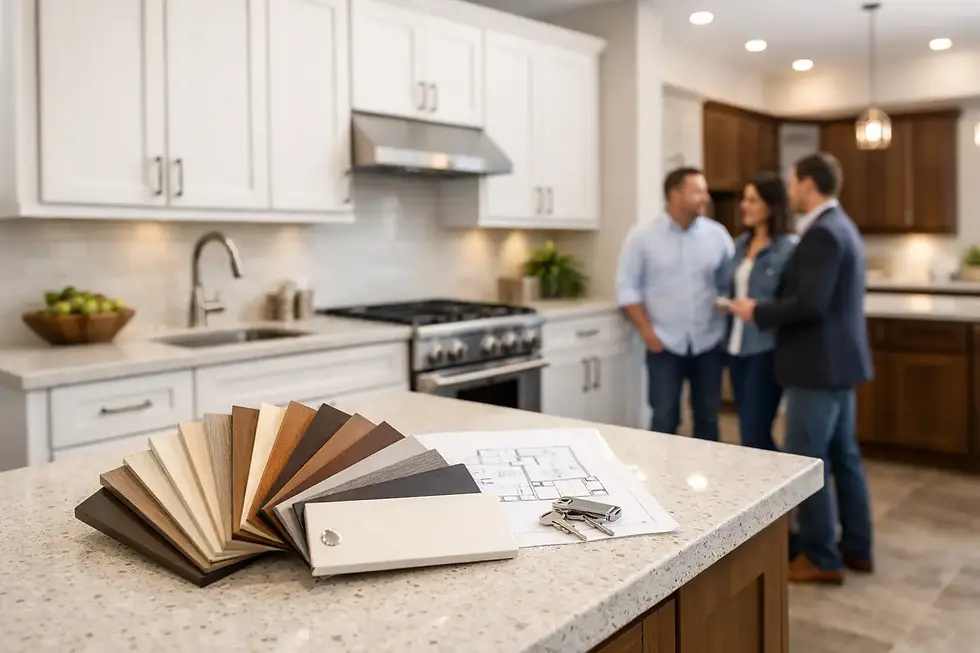
Countertops should be selected alongside cabinets rather than afterward. Cabinet color changes the way countertop veining reads, and countertop thickness can affect the visual proportion of the entire kitchen. Bring samples together in the showroom whenever possible. What looks perfect under one type of lighting may feel very different in your home.
Storage is where a tailored layout earns its value. Consider the items that regularly clutter your counters and plan a home for them. A mixer lift, tray divider, spice pullout, deep drawers for cookware, or a built-in recycling center may sound like small upgrades, but each can improve how the room functions every day.
A Clear Cabinet Project Process Reduces Surprises
Kitchen remodeling can feel overwhelming when homeowners must coordinate designers, cabinet suppliers, countertop fabricators, delivery crews, and installers on their own. A single local partner helps keep the sequence organized.
At Croc Kitchen Cabinets, the process begins with understanding your room, goals, and budget. From there, accurate measurements and a 3D design help shape the layout. You can compare cabinet colors, door styles, storage options, and complementary countertop choices before approving a quote.
Once selections are finalized, delivery and professional installation can be coordinated around the project schedule. If demolition is part of the remodel, planning cabinet timing carefully matters. Cabinets should arrive after the space is ready, but before countertop templating and final finishing work. Keeping those steps in order avoids unnecessary delays.
An experienced carpenter and installer team is particularly valuable at the finish stage. They can address the details that separate an acceptable kitchen from a polished one: consistent reveals between doors, level cabinet runs, properly fitted fillers, clean crown molding transitions, and hardware aligned with care.
Questions Worth Asking Before You Buy
Before committing to a cabinet provider, get direct answers to these practical questions:
Will someone measure my kitchen on site before the cabinet order is finalized?
Can I review a 3D layout and make changes before production or delivery?
What cabinet lines are available, including custom, wholesale, and RTA options?
Does the quote explain delivery, installation, trim, hardware, and any related coordination?
Who will be responsible for adjustments or issues discovered during installation?
Clear answers create confidence. Vague promises, unclear scope, and pricing that changes without explanation are signs to slow down and ask for more detail.
The right kitchen is not defined by the most cabinets or the highest price tag. It is the one that fits your room precisely, supports the way your household cooks and gathers, and is installed with care. Start with a measured plan and a team that will stay accountable from the first cabinet choice to the final adjustment.


Comments